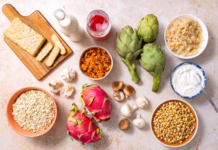
Starting a healthy diet can feel confusing, especially if you are new to healthy eating. There are thousands of diet plans online, and many of them promise quick weight loss or instant results. However, the truth is that the best healthy diet plan for beginners is not about starving yourself or following strict rules. It is about creating healthy habits that you can follow every day.
A balanced diet provides your body with the nutrients it needs to stay active, maintain a healthy weight, improve digestion, and reduce the risk of diseases. Whether your goal is to lose weight, gain energy, or simply live a healthier life, a beginner-friendly diet plan can help you get started.
This guide explains everything you need to know in simple language, including healthy foods, foods to avoid, meal planning tips, and a sample diet plan that anyone can follow.
What Is a Healthy Diet?
A healthy diet means eating a variety of nutritious foods in the right amounts. It gives your body carbohydrates for energy, protein for muscle repair, healthy fats for brain function, vitamins, minerals, and plenty of water.
A healthy diet is not about cutting out all your favorite foods. Instead, it focuses on balance, portion control, and making better food choices most of the time.
Why Beginners Should Follow a Healthy Diet Plan
Many beginners start unhealthy crash diets that are difficult to continue. These diets often lead to frustration and weight gain after a few weeks.
A beginner-friendly healthy diet plan helps you:
- Improve overall health
- Increase daily energy
- Maintain a healthy weight
- Improve digestion
- Strengthen your immune system
- Build healthy eating habits
- Reduce the risk of diabetes and heart disease
- Feel more confident and active
Small daily improvements create long-term success.
Essential Nutrients Your Body Needs
Understanding basic nutrition makes healthy eating much easier.
Carbohydrates
Carbohydrates provide energy for your body. Choose healthy sources like:
- Brown rice
- Oats
- Sweet potatoes
- Whole wheat bread
- Quinoa
Avoid refined carbohydrates like white bread, sugary cereals, and pastries whenever possible.
Protein
Protein helps build muscles and repair body tissues.
Healthy protein sources include:
- Eggs
- Chicken breast
- Fish
- Beans
- Lentils
- Greek yogurt
- Tofu
- Cottage cheese
Healthy Fats
Healthy fats support brain health and hormone production.
Good sources include:
- Avocados
- Almonds
- Walnuts
- Olive oil
- Chia seeds
- Flaxseeds
Fruits and Vegetables
Try to fill half your plate with colorful vegetables and fruits every day because they provide vitamins, minerals, and fiber.
Foods Beginners Should Eat More Often
A healthy grocery list makes eating well much easier.
Choose foods like:
- Fresh vegetables
- Seasonal fruits
- Whole grains
- Lean meats
- Fish
- Eggs
- Beans
- Lentils
- Low-fat dairy
- Nuts
- Seeds
- Healthy cooking oils
- Plenty of water
These foods keep you full longer and provide important nutrients.
Foods to Limit
No food is completely forbidden, but beginners should reduce foods that are high in sugar, unhealthy fats, and empty calories.
Try to limit:
- Sugary drinks
- Candy
- Chips
- Fast food
- Fried foods
- White bread
- Cakes
- Cookies
- Processed meat
- Excess salt
- Alcohol
Enjoy these foods occasionally instead of every day.
Easy Healthy Eating Tips for Beginners
Healthy eating does not have to be complicated.
Here are simple tips:
- Never skip breakfast.
- Drink 8–10 glasses of water daily.
- Eat slowly.
- Use smaller plates.
- Prepare meals at home.
- Eat more vegetables.
- Avoid eating late at night.
- Read food labels.
- Choose grilled instead of fried foods.
- Sleep at least seven to eight hours every night.
Small habits produce big results over time.
Sample 7-Day Healthy Diet Plan for Beginners
Day 1
Breakfast: Oatmeal with banana
Snack: Apple
Lunch: Grilled chicken with brown rice and vegetables
Snack: Handful of almonds
Dinner: Vegetable soup with whole wheat bread
Day 2
Breakfast: Boiled eggs with whole wheat toast
Snack: Orange
Lunch: Lentil curry with brown rice
Snack: Greek yogurt
Dinner: Grilled fish with steamed vegetables
Day 3
Breakfast: Smoothie with banana, spinach, and yogurt
Snack: Mixed nuts
Lunch: Chicken salad
Snack: Carrot sticks
Dinner: Stir-fried vegetables with tofu
Day 4
Breakfast: Oats with berries
Snack: Pear
Lunch: Turkey sandwich on whole wheat bread
Snack: Cottage cheese
Dinner: Grilled chicken with sweet potato
Day 5
Breakfast: Yogurt with fresh fruit
Snack: Apple
Lunch: Quinoa with vegetables
Snack: Walnuts
Dinner: Vegetable soup and salad
Day 6
Breakfast: Vegetable omelet
Snack: Banana
Lunch: Brown rice with grilled fish
Snack: Cucumber slices
Dinner: Lentil soup
Day 7
Breakfast: Whole wheat toast with peanut butter
Snack: Mixed berries
Lunch: Chicken and vegetable salad
Snack: Yogurt
Dinner: Baked salmon with broccoli
This meal plan is flexible. You can swap foods based on your preferences while keeping meals balanced.
Healthy Snacks for Beginners
Healthy snacks help prevent overeating during meals.
Good snack ideas include:
- Fresh fruit
- Yogurt
- Boiled eggs
- Mixed nuts
- Air-popped popcorn
- Carrot sticks
- Cucumber slices
- Hummus
- Cheese cubes
- Roasted chickpeas
Choose snacks that contain protein or fiber to stay full longer.
Common Diet Mistakes Beginners Make
Many people quit healthy eating because of simple mistakes.
Avoid these common errors:
- Skipping meals
- Drinking sugary beverages
- Eating too quickly
- Following extreme diets
- Not drinking enough water
- Eating oversized portions
- Expecting instant results
- Ignoring sleep and exercise
Healthy eating is a long-term lifestyle, not a short-term challenge.
Healthy Lifestyle Habits That Support Your Diet
Your diet works even better when combined with healthy daily habits.
Try to:
- Walk for at least 30 minutes every day.
- Exercise three to five times each week.
- Sleep 7–9 hours every night.
- Manage stress through meditation or deep breathing.
- Stay hydrated throughout the day.
- Cook more meals at home.
These habits improve your overall health and make it easier to stay consistent.
How Long Does It Take to See Results?
Everyone’s body is different, but many beginners notice positive changes within a few weeks.
You may experience:
- Better energy after one week
- Improved digestion within two weeks
- Better eating habits after one month
- Healthy weight changes over several weeks when combined with regular exercise
Remember, consistency is more important than perfection.
Conclusion
The best healthy diet plan for beginners is one that is simple, balanced, and easy to follow. You do not need expensive foods or complicated meal plans to become healthier. Focus on eating more fruits, vegetables, whole grains, lean proteins, and healthy fats while reducing processed foods and sugary drinks.
Start with small changes, stay consistent, and be patient with yourself. Healthy eating is a journey, not a race. Every healthy meal you choose brings you one step closer to a stronger body, more energy, and a happier life.
Frequently Asked Questions (FAQs)
1. What is the best healthy diet plan for beginners?
A balanced diet that includes fruits, vegetables, whole grains, lean proteins, healthy fats, and plenty of water is the best choice for beginners.
2. Can beginners lose weight with a healthy diet?
Yes. Eating balanced meals, controlling portion sizes, staying active, and avoiding processed foods can support healthy weight loss over time.
3. How many meals should beginners eat each day?
Most people do well with three balanced meals and one or two healthy snacks, depending on their hunger and activity level.
4. Is it okay to have cheat meals?
Yes. Enjoying your favorite foods occasionally can make a healthy diet easier to maintain. The key is moderation rather than overindulgence.
5. Do I need to exercise with a healthy diet?
Exercise is not required to start eating healthier, but combining regular physical activity with a balanced diet provides better results for overall health, fitness, and weight management.