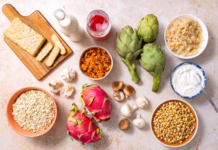
Your immune system is your body’s natural defense against illnesses, infections, and harmful germs. Every day, it works quietly to protect you from viruses, bacteria, and other harmful organisms. While there is no single food that can magically prevent you from getting sick, eating a healthy and balanced diet can help your immune system work more effectively.
The foods you eat provide essential vitamins, minerals, antioxidants, and other nutrients that support your body’s natural defenses. When you regularly include nutrient-rich foods in your meals, your body becomes stronger and better prepared to fight illness.
In this article, you will learn about the best foods that boost the immune system, how they work, and simple ways to include them in your daily diet.
Why Is a Strong Immune System Important?
The immune system is made up of cells, tissues, and organs that work together to protect your body. It recognizes harmful bacteria, viruses, and other germs and helps remove them before they can make you seriously ill.
Many factors affect your immune health, including:
- A balanced diet
- Regular exercise
- Good sleep
- Drinking enough water
- Managing stress
- Avoiding smoking
- Limiting alcohol consumption
Among these factors, nutrition plays one of the biggest roles. Your body depends on vitamins and minerals from food to build healthy immune cells and repair damaged tissues.
1. Citrus Fruits
Citrus fruits are well known for their high vitamin C content. Vitamin C helps support the production of white blood cells, which play an important role in fighting infections.
Some popular citrus fruits include:
- Oranges
- Lemons
- Limes
- Grapefruits
- Mandarins
Since the body cannot store large amounts of vitamin C, it is important to eat these fruits regularly. Fresh citrus fruits are healthier than sugary fruit drinks because they provide natural fiber and fewer added sugars.
2. Garlic
Garlic has been used in traditional medicine for hundreds of years. It contains natural compounds like allicin, which may help support the body’s defense system.
Adding garlic to your meals not only improves flavor but also provides beneficial nutrients. You can use fresh garlic in soups, vegetables, pasta, meat dishes, and sauces.
3. Ginger
Ginger is another natural food known for its health benefits. It contains powerful antioxidants that help reduce inflammation in the body.
Many people drink ginger tea during cold weather because it provides warmth and comfort. Fresh ginger can also be added to smoothies, stir-fries, soups, and herbal drinks.
4. Yogurt
Yogurt contains probiotics, also known as good bacteria. These healthy bacteria help maintain a balanced gut, and a healthy digestive system is closely connected to a healthy immune system.
Choose plain yogurt with live and active cultures whenever possible. You can add fresh fruits, nuts, or honey for extra flavor instead of buying sweetened varieties with added sugar.
5. Spinach
Spinach is packed with vitamins A, C, E, iron, and antioxidants. These nutrients help your immune cells perform their jobs more effectively.
Lightly cooking spinach can make some nutrients easier for your body to absorb while still keeping many of its health benefits.
You can enjoy spinach in:
- Salads
- Omelets
- Soups
- Smoothies
- Pasta dishes
6. Almonds
Vitamin E is another important nutrient for immune health. Almonds are one of the best natural sources of vitamin E and also provide healthy fats that help your body absorb this vitamin.
A small handful of almonds makes an excellent healthy snack. They can also be sprinkled over oatmeal, yogurt, or salads.
7. Berries
Blueberries, strawberries, raspberries, and blackberries are rich in antioxidants that help protect your cells from damage caused by free radicals.
These colorful fruits also contain vitamin C and fiber, making them an excellent choice for overall health.
Fresh or frozen berries can be added to smoothies, breakfast cereals, yogurt, or enjoyed on their own.
8. Broccoli
Broccoli is one of the healthiest vegetables you can eat. It contains vitamins A, C, E, fiber, and several antioxidants that help support the immune system.
Steaming broccoli instead of boiling it helps preserve more of its nutrients. You can serve it with chicken, fish, rice, or pasta for a balanced meal.
9. Red Bell Peppers
Many people are surprised to learn that red bell peppers actually contain more vitamin C than oranges. They also provide vitamin A, which supports healthy skin.
Healthy skin acts as one of your body’s first barriers against harmful germs. Adding colorful peppers to salads, sandwiches, or stir-fries is a simple way to increase your vitamin intake.
10. Green Tea
Green tea is full of antioxidants called catechins. These natural compounds help protect cells from damage and support overall health.
Green tea also contains a small amount of caffeine, making it a refreshing alternative to sugary drinks. Drinking one or two cups each day can be part of a healthy lifestyle.
11. Fatty Fish
Fish such as salmon, sardines, tuna, and mackerel are rich in omega-3 fatty acids.
Omega-3 fats help reduce inflammation and support normal immune function. They are also beneficial for heart health and brain function.
Health experts often recommend eating fish at least twice a week as part of a balanced diet.
12. Sweet Potatoes
Sweet potatoes are an excellent source of beta-carotene, which your body converts into vitamin A.
Vitamin A helps keep your skin healthy and supports the immune system’s ability to fight infections.
Baked sweet potatoes make a delicious and nutritious side dish with very little preparation.
13. Mushrooms
Certain mushrooms provide nutrients like selenium, B vitamins, and vitamin D, depending on how they are grown.
These nutrients support normal immune function and help your body maintain healthy cells.
Mushrooms can easily be added to soups, pizzas, pasta, omelets, and vegetable dishes.
14. Sunflower Seeds
Sunflower seeds are packed with vitamin E, selenium, and healthy fats.
These nutrients help protect immune cells from damage and support their normal function.
Enjoy sunflower seeds as a snack or sprinkle them over salads and yogurt.
15. Turmeric
Turmeric is a bright yellow spice commonly used in many traditional recipes. It contains curcumin, a natural compound known for its antioxidant and anti-inflammatory properties.
Adding turmeric to soups, rice dishes, curries, and roasted vegetables is an easy way to include it in your diet.
Healthy Habits That Support Your Immune System
Eating healthy foods is only one part of maintaining a strong immune system. Your daily habits also make a big difference.
Try to:
- Sleep for 7 to 9 hours each night.
- Drink enough water throughout the day.
- Exercise regularly.
- Eat a variety of colorful fruits and vegetables.
- Reduce stress through relaxation or hobbies.
- Wash your hands regularly to prevent infections.
- Avoid smoking and excessive alcohol consumption.
Combining these healthy habits with a nutritious diet gives your body the best chance to stay healthy.
Can Supplements Replace Healthy Foods?
Many people take vitamin supplements to improve their immune health. While supplements may be helpful for people with certain nutrient deficiencies, they should not replace a healthy diet.
Whole foods provide fiber, antioxidants, healthy fats, and many natural compounds that work together in ways supplements cannot fully copy.
Before taking any supplement, it is a good idea to speak with a healthcare professional, especially if you have a medical condition or take prescription medications.
Final Thoughts
There is no miracle food that can guarantee you will never get sick. However, regularly eating foods that boost the immune system can help your body stay healthier and better prepared to fight infections.
Simple foods like citrus fruits, garlic, yogurt, spinach, berries, almonds, broccoli, fatty fish, sweet potatoes, mushrooms, and green tea provide important nutrients that support your body’s natural defenses.
Remember that good nutrition works best when combined with healthy habits such as getting enough sleep, staying active, drinking plenty of water, and managing stress. By making small, consistent changes to your lifestyle, you can support your immune system and enjoy better overall health for years to come.
Frequently Asked Questions (FAQs)
1. What foods help strengthen the immune system naturally?
Foods rich in vitamins, minerals, and antioxidants are excellent for immune health. These include citrus fruits, berries, spinach, broccoli, garlic, yogurt, almonds, fatty fish, and sweet potatoes.
2. Does vitamin C really boost the immune system?
Vitamin C supports the normal function of the immune system by helping produce white blood cells and protecting them from damage. However, it does not completely prevent illnesses or cure infections.
3. Is yogurt good for the immune system?
Yes. Yogurt with live and active probiotic cultures helps support gut health, which plays an important role in maintaining a healthy immune system.
4. Can I improve my immune system with food alone?
Healthy foods are an important part of immune health, but they work best when combined with regular exercise, quality sleep, proper hydration, stress management, and other healthy lifestyle habits.
5. Which fruit is best for immune health?
There is no single “best” fruit, but oranges, lemons, strawberries, blueberries, kiwi, and grapefruit are all excellent choices because they provide vitamin C, antioxidants, and other nutrients that support the immune system.